Signing up for your first dog agility class is exciting, but it’s also completely normal to feel a little nervous, especially if you are not sure what to expect at your first dog agility class.
Many first-time handlers wonder if their dog will be the only one that doesn’t know what to do. Others worry that they need to be athletic or fear looking silly while learning something new.
The good news is that beginner agility classes are designed specifically for newcomers. Everyone starts somewhere, and no one expects you or your dog to arrive with experience.
At Q-It Dog Training, the goal of your first class is simple: have fun, start building new skills, and create a positive learning experience for both you and your dog. Here’s exactly what to expect at your first dog agility class.
Before You Arrive: How to Prepare for Your First Dog Agility Class
Congrats on taking the first step to start agility with your dog! Agility is a fun, stimulating activity that you and your dog do together. A little preparation can help both you and your dog have a successful first experience.
Before class, give your dog an opportunity to potty and avoid feeding a large meal immediately beforehand. A slightly hungry dog is often more interested in treats and eager to work.
It’s also helpful to arrive a few minutes early. This gives your dog time to take in the new environment and settle before class begins.
Bring the following items with you:
- A flat collar or harness and a regular, non-retractable leash
- Small, soft, high-value treats your dog loves
- A favourite toy if your dog enjoys playing for rewards
- Water for both you and your dog
- Comfortable clothing and athletic footwear with good grip
Most importantly, come ready to learn alongside your dog. Agility is a team activity, and both ends of the leash are learning something new.
Walking Into Class: The First Few Minutes
At Q-It Dog Training, beginner classes are intentionally welcoming and supportive while also teaching you the basics of agility sports for dogs and dog owners. Small class sizes create a relaxed, judgment-free environment where every team receives individual attention.
When you arrive, you can expect to:
- Meet Tressia and the other handlers
- Receive a quick overview of the training space and safety guidelines
- Give your dog time to settle and observe before participating
Many new handlers worry about how their dog will react around other dogs. Beginner classes are structured so dogs can remain at comfortable distances from one another, helping everyone stay focused and relaxed.
What You’ll Actually Do: What to Expect at Your First Dog Agility Class
One of the biggest misconceptions about a first dog agility class is that you’ll immediately be running full obstacle courses. But that’s not how beginner agility training works.
Instead, beginner agility classes focus on building strong foundations, including:
- Focus and engagement games that teach your dog that working with you is rewarding
- Body awareness exercises that help your dog understand how to use their body
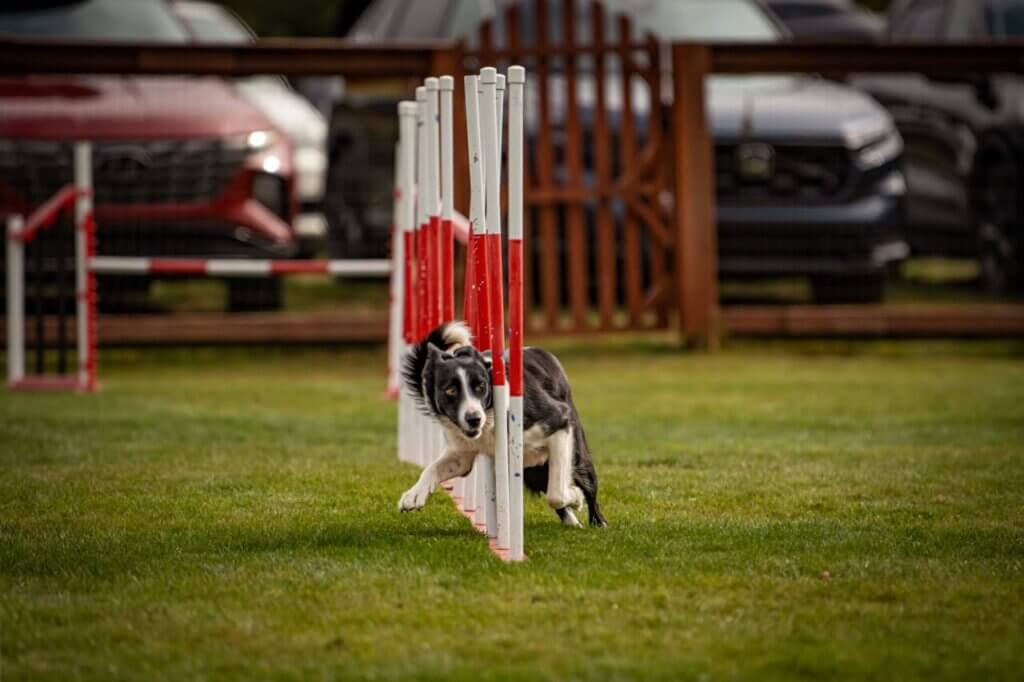
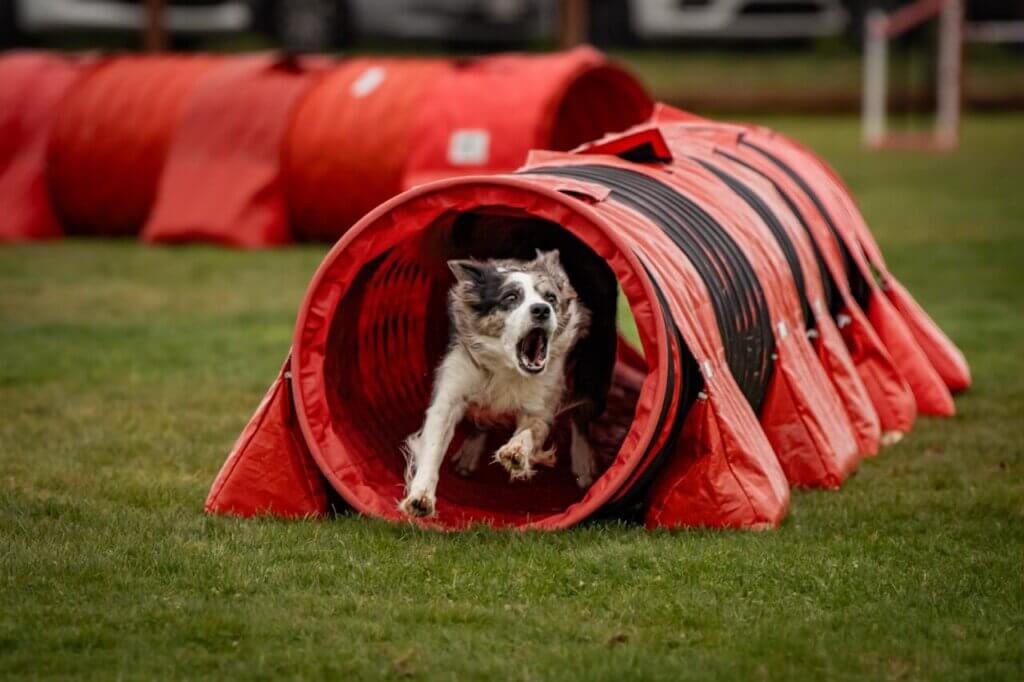
- Introductions to safe, age-appropriate obstacles, such as low jumps, tunnels, or simple targets
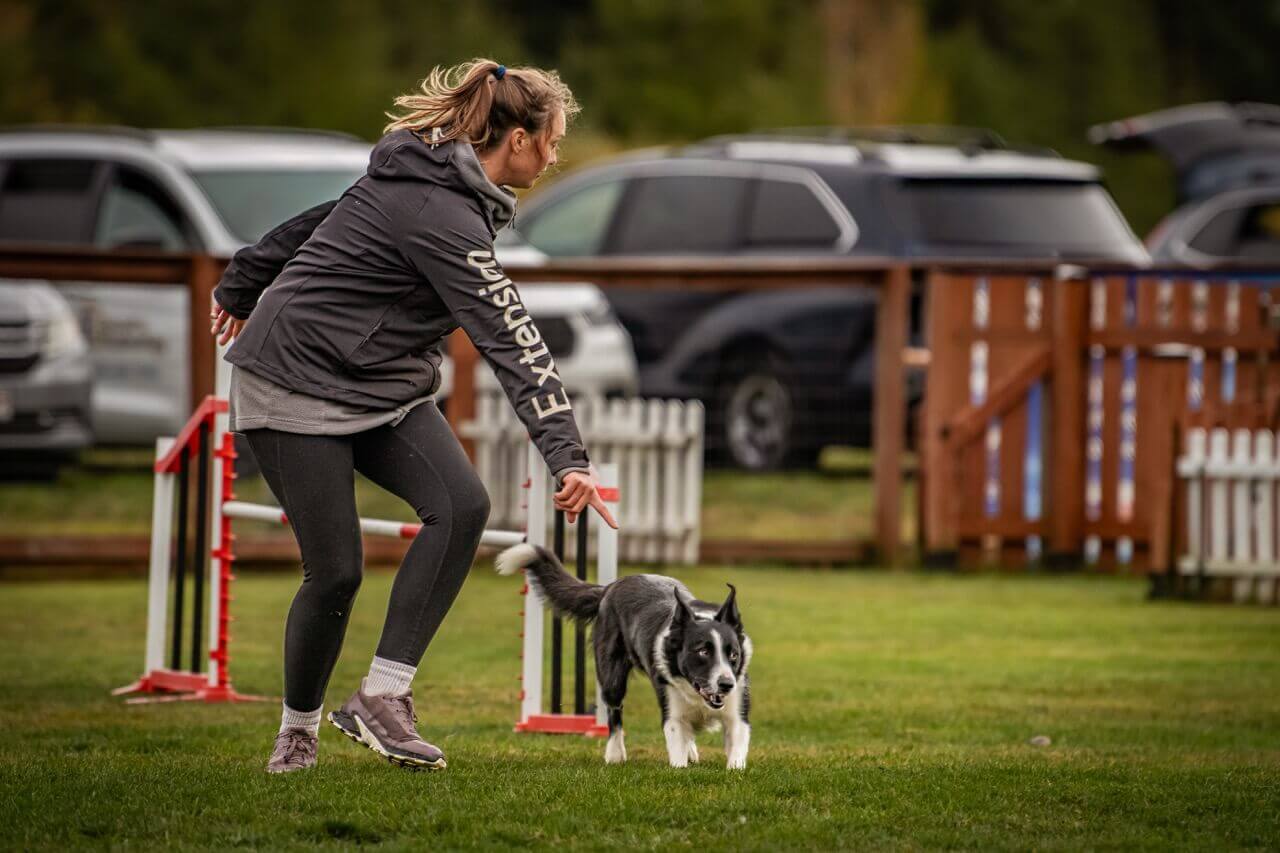
- Handler skills that teach you how to communicate through movement and timing
- Confidence-building activities that support both dogs and handlers
Everything is taught through positive reinforcement and game-based learning. There is no force and no corrections. The goal is to help your dog feel confident while making learning enjoyable.
Because classes are intentionally kept small, every team receives personalized coaching from Tressia throughout the session.
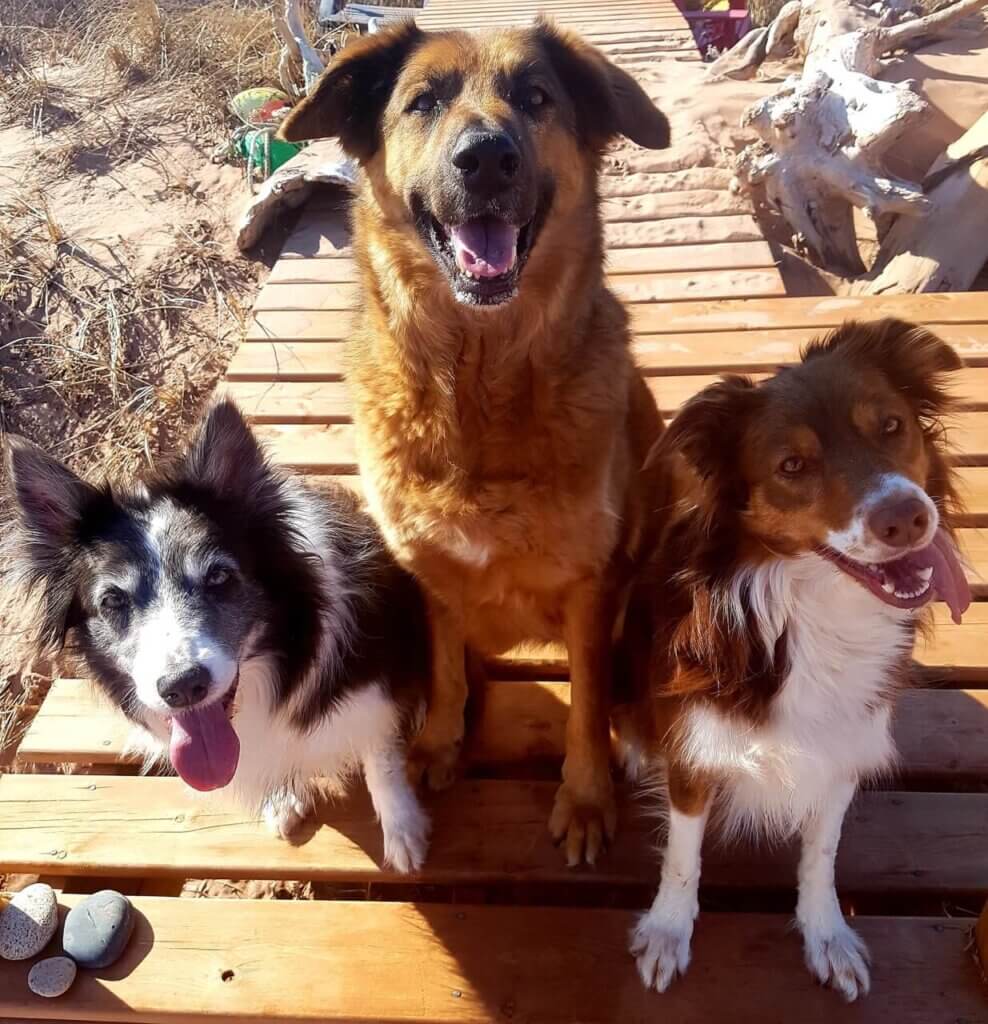
What Your Dog Might Feel (and Why That’s Okay!)
Every dog responds differently to their first agility class.
Some dogs are immediately enthusiastic and eager to explore. Others approach new experiences more cautiously. Some simply need time to process a new environment.
All of these reactions are perfectly normal.
Many dogs become distracted in a new setting, and progress doesn’t always happen in a straight line. Learning takes time, and every dog moves at their own pace.
Tressia will help you understand your dog’s responses and adjust the training approach to meet their individual needs.
Remember to celebrate small victories. A dog confidently sniffing a new obstacle or choosing to engage with you in an unfamiliar environment is meaningful progress.
What You Might Feel During Dog Agility Class
Handlers often feel just as new and uncertain as their dogs.
You might feel like you’re absorbing a lot of information at once. You may discover that coordinating your feet, hands, and voice is harder than expected. You may even wonder if you’re doing everything correctly.
Agility has a learning curve for humans, too.
The purpose of your first class is not perfection. It’s the beginning of a partnership and the first step toward learning something new together.
After Class: Setting You and Your Agility Dog Up for Success
After your first class, keep things simple.
Practice the foundation skills you learned in short, fun sessions at home. Don’t worry about recreating agility obstacles. Building engagement, confidence, and connection with your dog is far more important in the beginning.
If you have questions, bring them to your next session. Tressia is there to help and guide you every step of the way.
Every Great Dog Agility Team Starts at the Beginning
Every experienced agility team was once made up of a handler and dog attending their very first class.
Q-IT Dog Training offers beginner agility training in PEI, with classes designed to help you and your dog learn in a welcoming, supportive environment where progress is celebrated and learning stays fun.
If you’re considering your first dog agility class, view upcoming beginner agility training classes in Charlottetown and Souris, or contact Tressia with any questions before signing up. We’d love to help you and your dog get started.