Your dog listens beautifully at home. They sit on cue, come when called, and seem eager to work with you. Then you step outside, and suddenly it’s like you don’t exist.
They’re pulling toward another dog, sniffing every blade of grass, or completely fixated on a squirrel across the street. Calling their name feels pointless, and the experience can quickly become frustrating and even embarrassing.
If this sounds familiar, you’re not alone. Difficulty focusing around distractions is one of the most common challenges dog owners face. It isn’t a sign that you have a “bad dog” or that you’re doing something wrong as a handler.
The good news is that focus can be taught. Understanding why your dog’s attention falls apart is the first step toward building reliable engagement in real-world environments.
The Real Reasons Your Dog Struggles to Focus
There are several reasons dogs lose focus around distractions, and understanding them can help you train more effectively.
The Environment Is More Interesting Than You Are (Right Now)
Dogs experience the world through their senses. Outside environments are full of exciting smells, sounds, movement, and opportunities to investigate.
To your dog, another dog walking by or the scent of a rabbit can be incredibly rewarding. Competing with those distractions takes practice.
Focus Hasn’t Been Trained at That Level of Difficulty Yet
Asking your dog to ignore major distractions without preparation is a bit like asking someone to run a marathon without training for it.
Dogs need opportunities to build focus gradually. If they’ve only practiced in quiet environments, busy settings may simply be too difficult right now.
Your Dog Doesn’t Fully Understand What You’re Asking
Your cues may work perfectly at home because that’s where they’ve been practiced.
However, your dog may not yet understand that “watch me” or “come” means the same thing in a park, on a trail, or near a playground. New environments require new practice.
The Reinforcement Doesn’t Match the Distraction
A piece of kibble usually can’t compete with chasing a squirrel or greeting another dog.
Higher levels of distraction often require higher-value rewards. Favourite treats, toys, and games can help make paying attention to you worthwhile.
Stress, Overstimulation, or Under-Stimulation
An overwhelmed dog may struggle to process information and focus on their handler. On the other hand, a dog with pent-up energy may find it difficult to settle and engage.
Both scenarios can lead to poor focus, even when your dog has good intentions.
The Relationship and Engagement Haven’t Become Habits Yet
Focus grows when dogs genuinely enjoy interacting with their people.
Dogs that frequently play training games and receive positive reinforcement often develop a habit of checking in with their handlers because working together feels rewarding.
Focus Is a Skill, Not a Personality Trait
Many people assume their dog knows what they’re supposed to do but is simply being stubborn or choosing not to listen.
In reality, focus is a learned skill, just like sit, stay, or recall. It develops over time through practice and repetition.
A dog that can focus perfectly in your living room hasn’t automatically learned to focus at the park, on a walking trail, or near other dogs. Dogs don’t generalize behaviours the way humans do. Just because they understand something in one environment doesn’t mean they understand it everywhere.
Think of each new location as a completely different classroom. Your dog may need to relearn and practice the same skills in many different places before they become reliable.
The encouraging part is that focus isn’t something dogs are simply born with or without. With the right approach, it can absolutely be taught.
How to Build Focus the Right Way
The key to improving focus is making success achievable and enjoyable for your dog.
Start Where Your Dog Can Succeed
Begin practicing focus games in low-distraction environments like your living room or backyard.
Success builds confidence and creates a solid foundation before you introduce more challenging situations.
Use High-Value Reinforcement
Save your dog’s favourite treats and toys for difficult environments.
If you’re asking for focus around major distractions, make sure you’re offering something that feels valuable enough to compete.
Make Engagement a Game, Not a Demand
Reward your dog whenever they voluntarily look at you or check in during walks.
Over time, these moments become habits, and your dog naturally starts looking to you for guidance.
Gradually Increase Difficulty
Avoid jumping from the living room straight to a crowded park.
Instead, slowly increase the challenge by adjusting distance, duration, and environmental distractions. As your dog succeeds, you can continue raising the difficulty.
Keep Training Sessions Short and Fun
Five focused minutes of successful training is often far more effective than thirty frustrating minutes.
Short sessions keep your dog engaged and prevent both of you from becoming overwhelmed.
Be Patient and Consistent
Focus doesn’t develop overnight. It’s built through small, repeated successes over weeks and months.
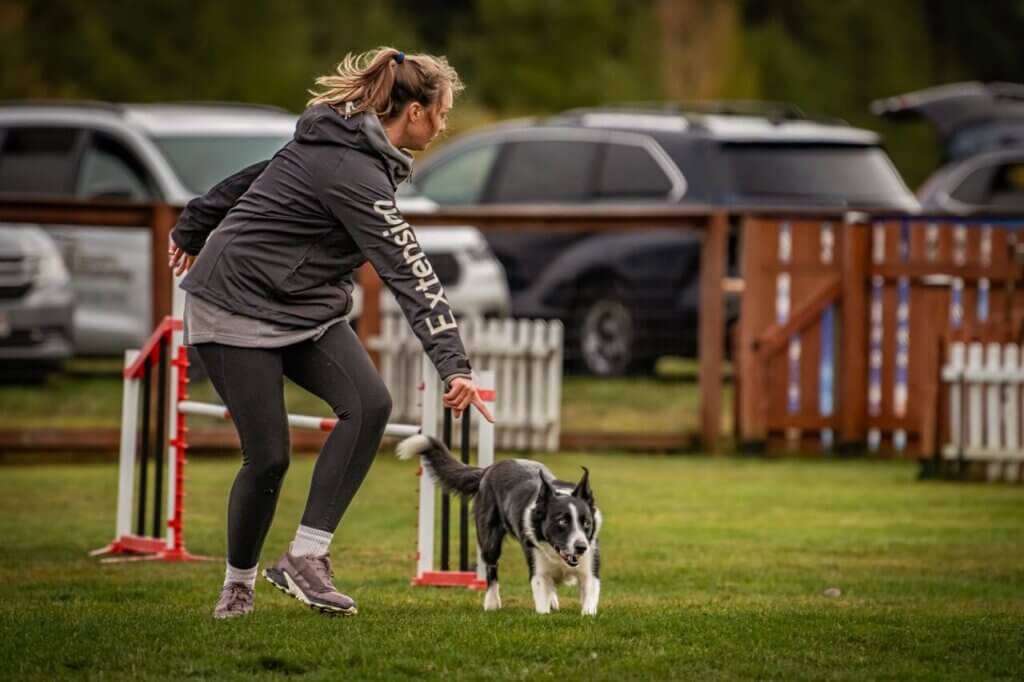
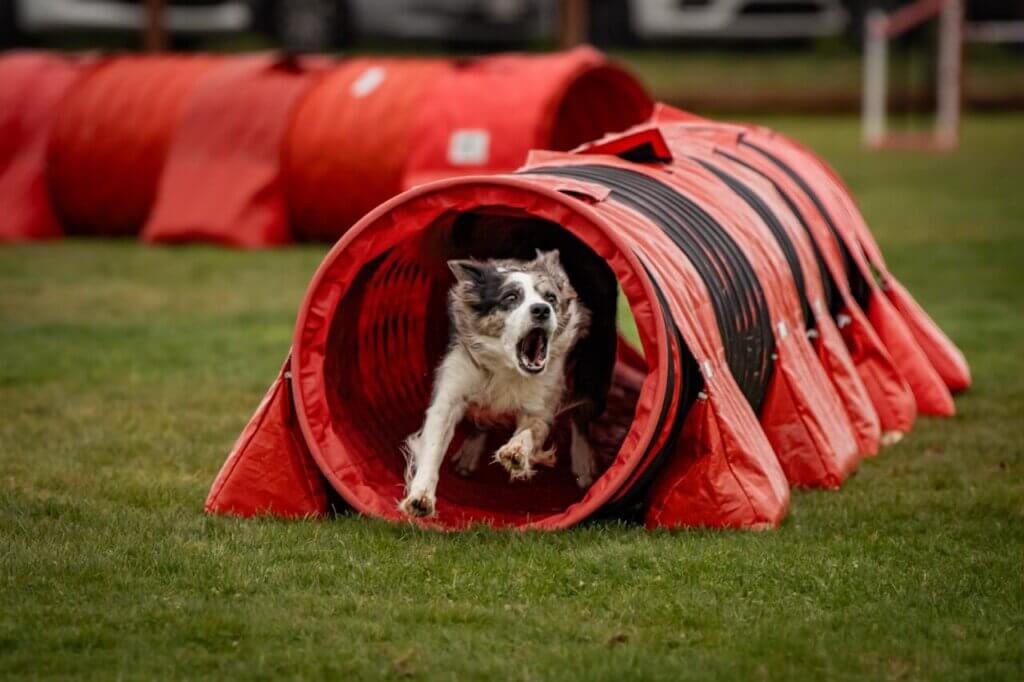
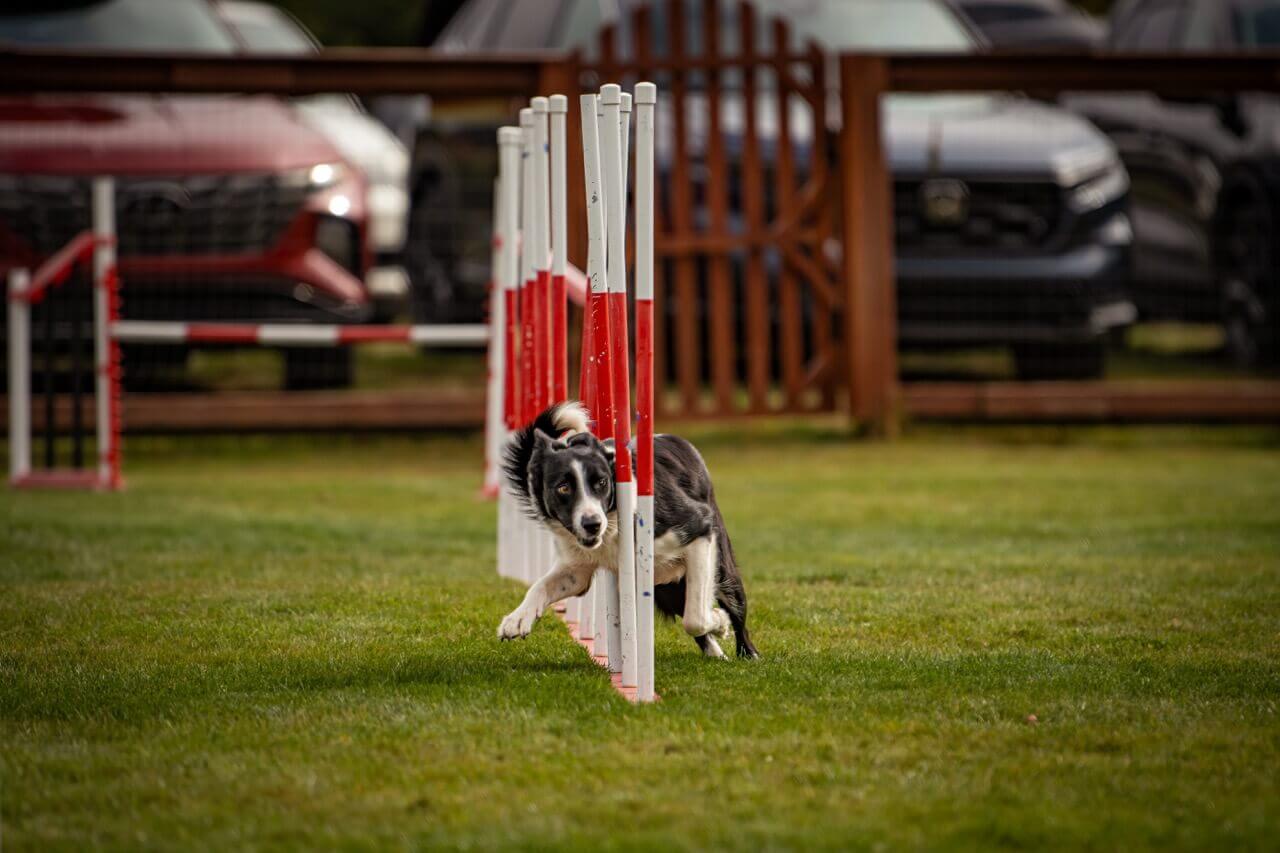
This type of foundation work is also the backbone of successful agility training. At Q-It Dog Training, developing focus and engagement is a key part of helping dogs and handlers work confidently as a team.
When to Consider Working with a PEI Dog Trainer
There’s nothing wrong with asking for help, especially when distractions feel overwhelming.
A professional trainer can help you:
- Identify what’s actually triggering your dog’s lack of focus
- Create a step-by-step training plan tailored to your dog
- Teach games and exercises that make focus fun and rewarding
At Q-It Dog Training, we offer private in-home lessons for personalized support and seminars designed to help handlers continue building their skills and confidence.
Building Better Focus for Your Dog Starts with the Right Foundation
A dog who struggles with focus isn’t broken, stubborn, or trying to ignore you. They simply need the right foundation and opportunities to practice their skills in different environments.
With patience, consistency, and positive reinforcement, any dog can learn to focus better around distractions.
If your dog won’t listen outside or you’re feeling stuck, you don’t have to figure it out alone.
Reach out to Tressia for a private lesson or recommendations on the best learning opportunities for you and your dog.